
When it comes to fire protection, codes and standards provide the baseline: reliable systems designed to save lives and protect property. But for building owners, simply meeting minimum code requirements doesn’t always address the everyday challenges of operating and maintaining these systems. Increasingly, the fire protection industry is embracing technologies and product designs that go beyond compliance to deliver added value through convenience, cost savings, and peace of mind.
Building Codes: The Starting Point, Not the Finish Line
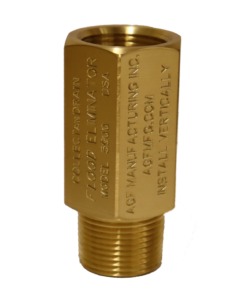
Codes are essential, but they’re written to ensure safety, not to optimize building operations. They don’t always account for factors like maintenance labor, service costs, or the risk of incidental water damage. Manufacturers and contractors are stepping in to fill that gap by offering products that streamline maintenance, reduce nuisance issues, and provide owners with tools for smarter management of their fire protection systems. For example, AGF’s Flood Eliminator is a product designed to allow condensate water to collect normally in a standard drum drip but then, if presented with the flow that would result from a failed drum drip, automatically trip to cut off that flow, eliminating the flooding and damage that would result from the system’s failure.
The Owner’s Priorities Beyond Compliance
For building owners, the value of a fire protection system often extends beyond compliance. Convenience and efficiency are important, since owners want to minimize the time and disruption required for inspections, testing, and maintenance. Cost control is also a priority, with an emphasis on avoiding expensive service calls, reducing the risk of water damage, and extending the lifespan of the system. Finally, owners place high importance on visibility and confidence. They want access to real-time data and reassurance that their system is operating as intended. These priorities are shaping demand for products that provide more than basic functionality and that make ownership easier, more cost-effective, and more reliable.
The Role of IoT in Fire Protection
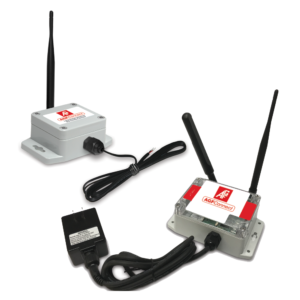
One of the most meaningful advancements in fire protection system maintenance has been the integration of Internet of Things (IoT) technology for targeted system monitoring. AGF Connect is designed specifically to monitor auxiliary drains and alert building personnel via text message, app notifications, and emails when maintenance is required. By tracking condensation levels in real time, AGF Connect identifies when water has accumulated, prompting timely service before ice damage occurs. Contractors can also leverage this technology to offer proactive maintenance programs for their customers, receiving alerts when a drain requires attention and performing service only when needed to prevent freezing or accidental system trips. This focused, proactive approach reduces unnecessary site visits and manual maintenance while ensuring that critical low points remain operational. As a result, facilities can maintain compliance and system readiness with greater efficiency and confidence, and contractors can offer data-driven maintenance programs.
Smarter Maintenance-Friendly Products
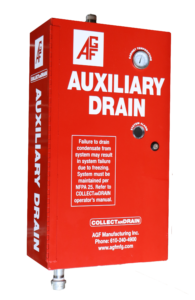
Innovation is also improving the way systems are maintained. Auxiliary drains, for example, have long been a source of nuisance trips and accidental discharges. Dry and preaction systems are especially vulnerable in unheated areas where condensation in auxiliary drains can freeze and compromise the system. Traditionally, freeze protection required constant vigilance and manual intervention from contractors or facility personnel. Today, heated cabinets have been developed by AGF Manufacturing to house auxiliary drains and protect them against freezing. In addition, AGF’s Model 5450 self-maintaining and Model 5500 auto-draining cabinets are available, which continuously manage condensation without manual effort. These solutions lower the risk of freeze-related failures, reduce slip and fall liability due to ice during cold weather, and give owners confidence that their systems remain reliable year-round.
Corrosion protection has also become a priority, since corrosion can shorten the life of a system and lead to unexpected leaks or failures. Automatic air vents, such as the AGF Model 7900AAV, are being used as a proactive approach to remove trapped air, a major contributor to corrosion in wet systems. In addition, CORRINSITE corrosion monitors with sight glasses provide owners with real-time insight into the condition of their piping, allowing them to address issues before they become expensive water damage. CORRINSITE is for wet, dry, or preaction sprinkler systems manufactured from the same mild carbon steel as the system’s piping. The plug’s surface sits at the same depth as the pipe wall and therefore corrodes at the same rate as the pipe. When the monitor’s plug corrodes beyond its limit, moisture penetrates the sealed chamber and transforms the brilliant white sight glass to a fluorescent orange color, indicating a corrosion problem and a need for further pipe inspection. These tools help owners extend the service life of their systems while reducing the likelihood of disruptive and costly failures.
The Contractor’s Role: Guiding Owners Beyond Code
Fire sprinkler contractors play an important role in helping owners understand the difference between meeting code and optimizing system performance. By presenting clients with options that enhance convenience, reduce costs, and provide better visibility, contractors can demonstrate added value and position themselves as trusted advisors. New technologies also create opportunities for contractors to expand their services. For example, remote monitoring solutions allow contractors to provide ongoing oversight, alerts, and data analysis that go well beyond traditional inspection schedules. By offering these additional services, contractors not only help owners maximize system performance but also create stronger, long-term partnerships built on proactive support.
Raising the Standard
Sprinkler systems will always be designed first to meet the requirements of the code. Yet as technology continues to advance, the industry has an opportunity to raise the standard by delivering solutions that serve owners more directly. Going beyond code means offering convenience, preventing system downtime, and providing confidence. In the end, going beyond code isn’t just about better products. It’s about advancing the industry with better outcomes for the people who rely on these systems every day.
This article originally appeared in Sprinkler Age Magazine, Nov/Dec 2025 issue.