
Proper air venting is essential when designing and installing a wet pipe fire sprinkler system to reduce corrosion risks and ensure system performance. While NFPA 13 allows for different methods of venting air from a sprinkler system, including a manual valve, an automatic air vent, or a remote inspector’s test valve, it is crucial to understand why a remote inspector’s test valve is not an effective air venting solution.

Continue reading Why a Remote Inspector’s Test Valve is Not a Good Air Vent →
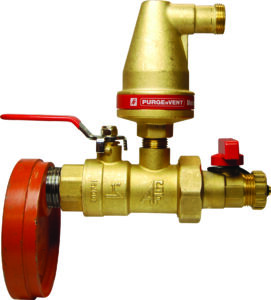 metallic pipe. Trapped air can contribute to corrosion, leading to costly maintenance and potential system failure. NFPA 13 recognizes this and mandates at least a single air vent on wet pipe fire sprinkler systems, but the code allows the system designer to determine if additional vents are necessary.