
Protect Your Sprinkler System with the Flood Eliminator: Now Available In a Baker’s Dozen
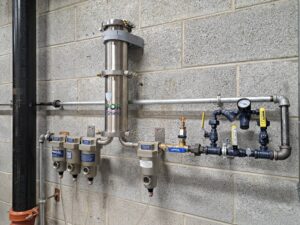
 A well-functioning drum drip or auxiliary drain is crucial for maintaining a dry or preaction fire sprinkler system. But what happens when a broken drum drip becomes a source of costly and frustrating water damage? Enter the Flood Eliminator, a simple yet innovative solution to prevent water damage caused by a broken drum drip.
And now, for a limited time, we’re offering an exclusive promotion: buy 12 Flood Eliminators and get the 13th free—a baker’s dozen deal you don’t want to miss!
Part 5900FE-13
Continue reading Flood Eliminator Baker’s Dozen →



 AGF is pleased to announce that Julia Collins has joined the AGF as a Marketing Assistant. She will assist with the marketing efforts to help educate our distributors, engineers that specify our products, and contractors that install and maintain our products in the field.